

The Health Portfolio
Executives pay close attention to their fiduciaries and financial portfolios. They monitor markets, rebalance holdings, and measure returns with discipline. Yet those same leaders who would never leave millions unmanaged often neglect the portfolio that underpins every other one: health.
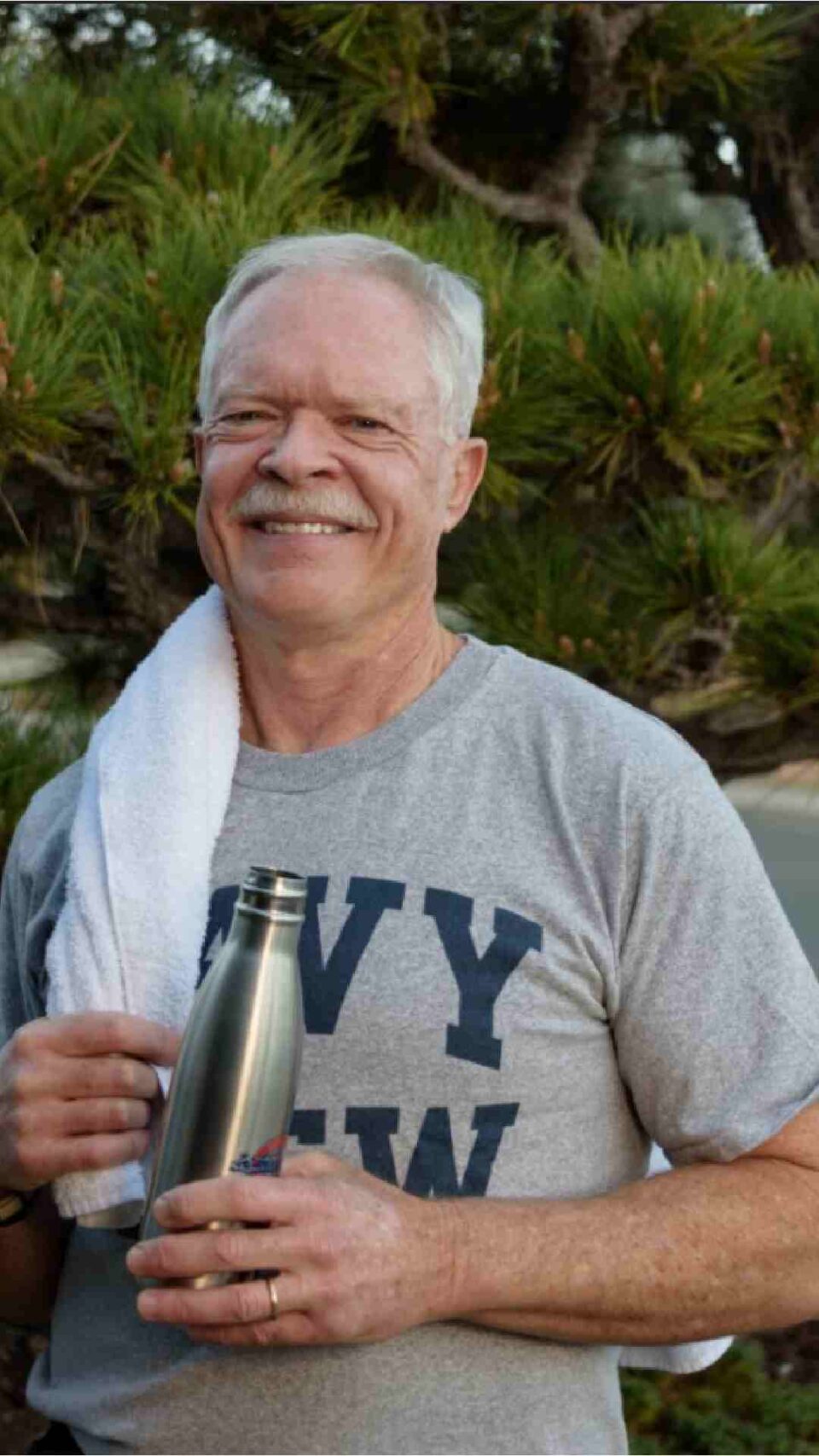
David Emerson Frost, a retired Naval officer, organizational leader, and longtime coach, puts it plainly: your body is the most important investment you will ever manage. If you neglect it, no amount of wealth will buy back the years of energy, clarity, and independence that are lost.
Frost calls this principle the “time value of exercise.” Just as compound interest grows wealth, consistent investments in movement and strength return years of high-functioning life. His challenge to professionals is direct: if you are rigorous about protecting fiscal capital, why not manage your own physical capital and your team’s workplace wellness with the same seriousness?
The evidence is clear. Steady, consistent activity not only extends lifespan; it improves clarity, stamina, and decision-making. Frost frames this in practical terms: daily movement, sustained over decades, translates into additional years of strong performance at work and at home. The payoff is not simply personal health. It is professional longevity. The executive or knowledge worker who remains clear-headed and physically capable well into their sixties and seventies is not just living longer, they are leading longer.
But Frost stresses that this is not only an executive issue. Workers on every level pay the price for neglect. Long hours at desks, constant screen time, and on-the-go meals erode vitality across the workforce. When front-line employees suffer preventable decline, companies absorb the cost through absenteeism, reduced productivity, and higher healthcare claims. When leaders collapse early, organizations lose continuity and wisdom. Wellness is both an individual responsibility and an organizational asset.
What makes Frost’s approach different is his focus on function rather than flash. Too many people chase aesthetic goals or personal records without asking whether those numbers translate into meaningful capability. Frost prefers to talk about “health age” instead of calendar age. The question is not how much weight you can lift or how fast you can run, but whether you can carry luggage across an airport without strain, focus through a long day of meetings, or keep up with your grandchildren after hours. For leaders and workers alike, these functional measures are true tests of resilience. They are the quiet, essential capacities that allow you to remain present, commanding, and effective.
This way of thinking reframes workplace health as a daily act of resistance. The modern workplace is structured to erode vitality. Frost calls the solution a rebellion: small, deliberate acts that reverse inertia. Take a call while walking. Use the stairs instead of the elevator. Schedule time for exercise with the same rigor as an investor briefing. None of these choices are dramatic, but together they form the consistency that extends both careers and lives. “You do not need perfection,” Frost says. “You just need to keep showing up.”
Failing to act is costly. Cardiovascular disease remains the leading cause of death, and much of it is preventable. Families carry the weight of decline. Organizations absorb the stress of turnover, sick leave, and disrupted succession planning. Whether the career is on the front lines or in the boardroom, healthier professionals mean stronger companies. Leaders who “back-burner” their health risk undermining not only their own longevity but the culture and stability of the organizations they serve.
Frost’s guidance distills to a simple philosophy: treat physical motion like an investment. The hours you put in today will compound into years of capability tomorrow. Train for resilience, not empty milestones. And recognize that your behavior sets the tone. Leaders who visibly prioritize health model habits that ripple through teams, shaping culture more than any policy memo.
The question Frost poses at the end of every conversation is disarming in its simplicity: do you want to fade earlier and easier, or remain stronger and longer? For professionals who pride themselves on discipline, foresight, and stewardship, the answer should be obvious. Rebelling against preventable decline does not require miracles. It requires daily habits that protect the most valuable portfolio entrusted to you.
To learn more about David Emerson Frost’s approach, or to work with him, visit his website at https://wellpastforty.org/