

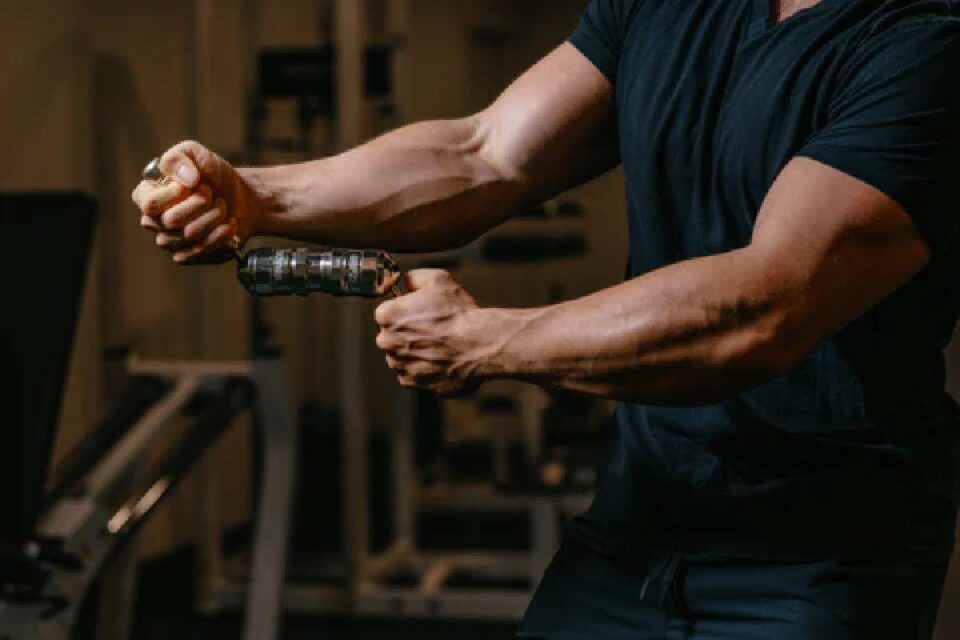
Forearm development represents a critical yet frequently overlooked component of
comprehensive fitness training that directly impacts athletic performance, injury prevention,
and functional daily activities. Research from leading sports medicine institutes
demonstrates that individuals with well-developed forearm strength experience 40% fewer
grip-related injuries and show measurably improved performance in activities ranging from
rock climbing to tennis. The challenge lies in effectively training the complex network of
muscles, tendons, and ligaments that comprise the forearm through equipment specifically
designed to target these intricate structures while providing the progressive overload
necessary for meaningful strength development.
Table of Contents
The Science Behind Specialized Forearm Training
Anatomical Complexity and Training Requirements
The human forearm contains over twenty distinct muscles responsible for wrist flexion,
extension, pronation, supination, and the intricate finger movements essential for grip
strength and dexterity. This anatomical complexity demands training approaches that go
beyond traditional weightlifting exercises, requiring specialized equipment designed to
isolate and strengthen specific muscle groups while maintaining functional movement
patterns.
Biomechanical Advantages of Purpose-Built Equipment
Generic exercise equipment often fails to provide the precise resistance curves, grip
positions, and movement patterns necessary for optimal forearm development. Purpose-built
forearm training tools offer biomechanical advantages through ergonomic design, adjustable
resistance systems, and movement patterns that mirror real-world applications while
maximizing muscle activation and training efficiency.
Essential Categories of Forearm Exercise Equipment
Grip Strength and Crushing Power Development
Crushing grip strength forms the foundation of forearm power, requiring equipment that
challenges the muscles responsible for squeezing and grasping actions. Modern grip
trainers offer adjustable resistance levels that accommodate different strength levels while
providing the progressive overload necessary for continued development.
Wrist Flexion and Extension Training Tools
Balanced forearm development requires attention to both wrist flexors and extensors,
muscle groups that work in opposition to provide joint stability and movement control.
Specialized equipment targeting these specific muscle groups helps prevent the strength
imbalances that commonly lead to overuse injuries and performance limitations.
Rotational Strength and Pronation Training
Rotational forearm strength proves essential for many athletic activities and daily tasks, yet
traditional exercises rarely address these movement patterns effectively. Advanced training
equipment provides the resistance and movement patterns necessary to develop pronation
and supination strength through full ranges of motion.
Selecting Quality Equipment for Maximum Results
Professional-Grade Construction and Durability
Serious forearm training places significant mechanical stress on equipment, requiring
construction standards that withstand intensive use while maintaining consistent
performance. Professional-grade materials and engineering ensure reliable operation and
precise resistance control throughout extended training periods.
Adjustability and Progressive Resistance Options
Effective strength development requires equipment that grows with your abilities, providing
resistance adjustments that support continuous progression from beginner through
advanced training levels. Quality systems offer fine-tuned resistance control that prevents
plateaus while maintaining appropriate challenge levels.
When investing in forearm development, selecting comprehensive forearm exercise
equipment collections ensures access to the variety of training tools necessary for complete
muscular development while providing the quality and durability essential for long-term
training success.
Ergonomic Design and Training Comfort
Extended training sessions require equipment designed for comfortable, natural positioning
that reduces fatigue while maximizing training effectiveness. Poor ergonomic design can
limit training intensity and potentially contribute to discomfort or injury during extended use.
Training Integration and Program Development
Systematic Progression Protocols
Effective forearm training requires structured progression that gradually increases training
demands while allowing adequate recovery time. Quality equipment enables precise load
management that supports consistent adaptation without overtraining or strength plateaus.
Frequency and Volume Optimization
Forearm musculature responds well to frequent, moderate-intensity training sessions that
provide consistent stimulus for adaptation. Proper equipment selection supports this training
approach while maintaining interest and motivation throughout development cycles.
Injury Prevention and Rehabilitation Applications
Addressing Common Forearm Imbalances
Modern lifestyle factors, including computer work and repetitive activities, often create
strength imbalances that predispose individuals to overuse injuries. Targeted equipment
helps address these imbalances through balanced training that strengthens both flexor and
extensor muscle groups.
Rehabilitation and Recovery Support
Structured forearm training using appropriate equipment plays important roles in
rehabilitation from various upper extremity injuries, providing controlled loading that
promotes healing while restoring functional strength and movement patterns.
Frequently Asked Questions
Q: What forearm exercise equipment should beginners prioritize for their first
purchase?
A: Beginners should start with adjustable hand grippers, a quality wrist roller,
and basic finger extension trainers that address fundamental movement patterns before
investing in specialized equipment.
Q: How does specialized forearm equipment compare to using regular dumbbells for
wrist exercises?
A: Specialized equipment provides superior biomechanical positioning,
precise resistance control, and movement patterns specifically designed for optimal forearm
development that generic weights cannot match.
Q: Can forearm exercise equipment help prevent repetitive strain injuries from
computer work?
A: Yes, balanced forearm training using appropriate equipment can
significantly reduce risk of conditions like carpal tunnel syndrome by strengthening both
flexor and extensor muscle groups.
Q: How often should I use forearm exercise equipment for optimal strength gains?
A: Most individuals achieve best results with 2-3 forearm training sessions per week using
quality equipment, allowing adequate recovery while maintaining consistent training
stimulus.
Q: What should I look for when evaluating forearm exercise equipment quality?
A: Focus on adjustable resistance systems, ergonomic design, durable construction materials,
and equipment that targets multiple movement patterns for comprehensive development.
Conclusion
Specialized forearm exercise equipment represents an essential investment for anyone
seeking comprehensive upper extremity strength development, injury prevention, and
enhanced athletic performance. Through careful selection of equipment that addresses the
complex anatomical requirements of forearm training while providing progressive resistance
and ergonomic design, individuals can build the foundational strength necessary for peak
performance across numerous activities while supporting long-term joint health and
functional independence.